Originally published on Noovie.com, November 8, 2019
Are Marvel movies cinema? It’s like asking if P.F. Chang’s is gourmet cuisine. That is to say, should we consider art made by committee (i.e., any creative output whose concepts were molded in boardrooms and perfected in focus groups) any different or similar to art born out of something more pure and organic? These are the philosophical questions we found ourselves debating as director Martin Scorsese’s thoughts on Marvel movies exploded across the internet following an interview with Empire Magazine.
After much discussion — and after hearing from the filmmakers and actors behind the films in question, as well as Scorsese’s contemporaries — the “Irishman” director gave his final word on the subject this week in an op-ed piece for the New York Times. In the editorial, he explained that he wasn’t diminishing the quality of the films per se, but was really lamenting the state of the current studio system and the underlying issue of access to films great, at the expense of films small.
Marvel movies were picked because they’re the elephant in the room, the popular movies of the moment. If this were the early Aughts, maybe he would have picked on rom-coms; if this were the late 1960s, maybe it would have been Westerns, given how far removed the genre had become from “The Searchers” and “Stagecoach” by then. In some respects, his op-ed doubled down on this characterization of the films. But, in a lot more ways — as he explained — it was less about those movies specifically, and more about the tentpole in general (i.e., a movie that a studio puts all their budgets behind, expecting big returns on their investment).
The tentpole is so ubiquitous in theaters that access to them has come at the expense of other mid-budget, character-driven films. It’s not like the consumer is demanding more tentpoles — in fact, we want the opposite. If you look at all the praise and criticism of tentpoles and franchise films, it comes down to two things: how similar or dissimilar they are from each other, and how well the characters are developed. But what Scorsese is arguing is why should other, perhaps equally worthy (and perhaps more “arty”) films be edged out of screens and eyeballs because the latest Marvel or “Fast & Furious” movie demands four-plus screens in a single theater? This is his lament — and he’s right!
It’s not like any of this is new — it’s been boiling up in Hollywood for some time. “Jaws” gave birth to the concept of a blockbuster movie, and the summer of 1989 helped studios see just how lucrative franchises and well-known I.P. can be. Certainly, if Scorsese had any issues with the concept of tentpoles, blockbusters and franchises, he was quiet about it as his friends and contemporaries built their careers on them.
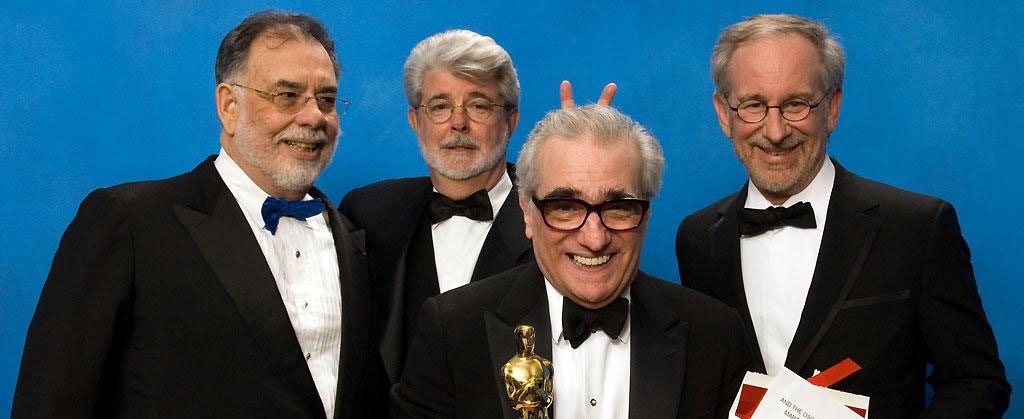
Just as blockbusters started to explode, Scorsese and his fellow filmmakers were redefining Hollywood in their own right. The “New Hollywood”, or the “American New Wave” (if you will) of the ’60s and ’70s gave birth to some of the most dynamic and radical films of the past 50 years — movies like “Easy Rider,” “The French Connection,” “The Godfather,” “Taxi Driver,” “The Conversation,” “Raging Bull” and yes, even “Star Wars.” This was an age born of the frustration with the old studio system — a system that, in many ways, was not unlike what we have now, though with much tighter control over scripts and actors’ contracts. Tired of feeling constrained, the filmmakers of the day found more independent ways to make the movies they wanted. Distributors then took an equal amount of risk to put these movies out for audiences to see, not sure if people would even turn up for such gritty and all-too-realistic fare. Scorsese and his fellow filmmakers led this charge and, as he explains, demanded that film can and should be seen as equal to anything that could be hung in a museum or performed on stage.
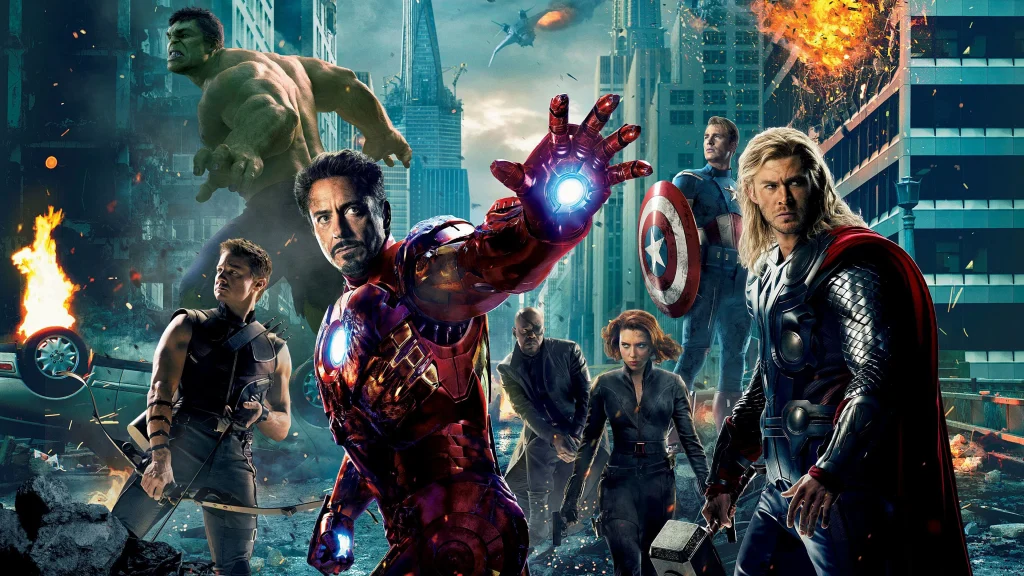
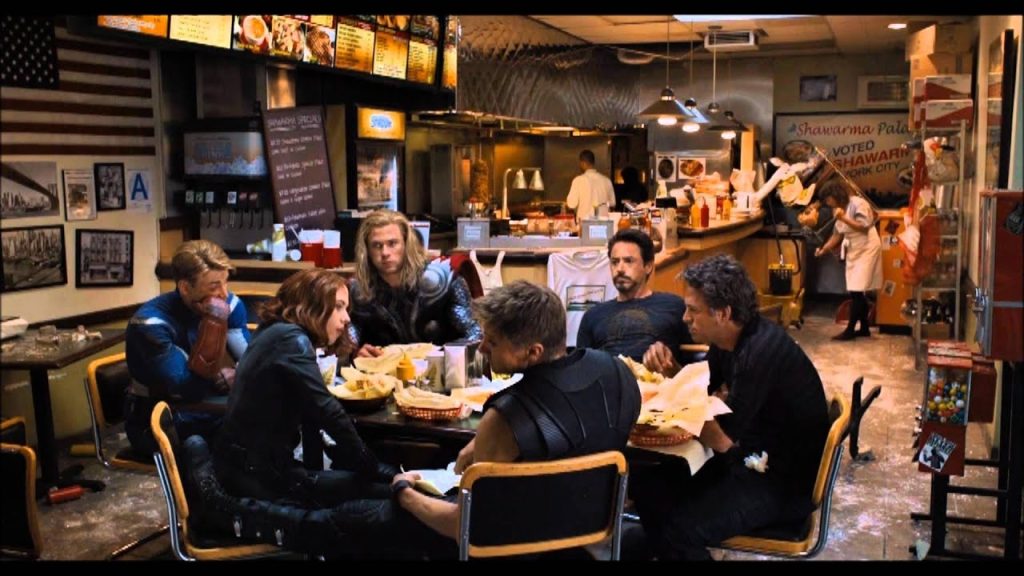
Flashing forward to the 2010s, some could say Marvel Studios soon found itself shedding the tight control of old Hollywood as it pressed ahead with its vision for its cinematic universe, which could explain the “creative differences” that led directors like Patty Jenkins and Edgar Wright to walk away from their superhero pet projects. But, this control did come with its own kind of risk — the risk of producing a slate of interconnected movies that featured the same actors playing the same roles, weaving in and out of storylines where needed. Marvel Studios wanted to present its movies in the same way its heroes were presented in the pages of their comics. Iron Man, Captain America and Thor all appear in the same comic book universe and each other’s adventures, so why couldn’t the same happen on the big screen? It was a big gamble, but it paid off. To downplay this kind of risk from the studio to the filmmakers, talent and crew involved does a disservice to what they had created, even if the films did have a tinge of corporate safeness and sparkle.
Interestingly, Scorsese doesn’t hold back on one of his own influences. But, where he admits a certain cookie-cutter approach to the thrillers of Alfred Hitchcock, he explains the underlying difference between them and the tentpoles of today:
Some say that Hitchcock’s pictures had a sameness to them, and perhaps that’s true — Hitchcock himself wondered about it. But the sameness of today’s franchise pictures is something else again. Many of the elements that define cinema as I know it are there in Marvel pictures. What’s not there is revelation, mystery or genuine emotional danger. Nothing is at risk. The pictures are made to satisfy a specific set of demands, and they are designed as variations on a finite number of themes.
He’s right! From a storytelling perspective, nothing in the current state of superhero movies and franchises (Marvel and otherwise) is risky or organic. There wasn’t a “Captain America 2” because the filmmakers had more to say (debatable, but you’ll miss my point if you stop here) and hoped the studio would take another shot at letting them tell more of the story. We knew there would be a “Captain America 2” before the first one even came out. Much the same, where was the risk at the end of “Infinity War”? We all knew which characters were coming back because of all the sequels that were announced and greenlit months before “Infinity War” hit the screens. It was shocking when our favorite heroes perished in dust (oops — spoiler alert), but it would have been more devastating had we not already known about “Black Panther 2” or “Spider-Man: Far From Home.” Of course, that’s not what these stories are about. Would Spider-Man ever truly die in the pages of Marvel comics?
This kind of foreknowledge and lack of character risk are reminiscent of long-standing tropes in sitcoms and TV adventures. We know Homer and Bart would get out of that jam by the end of the episode because they are the main characters, and the show needed to reset for the next episode. And yet, it’s now on TV where such cinematic risks with characters are taken — look at all the fan favorites that were offed in the early seasons of “Game of Thrones.”
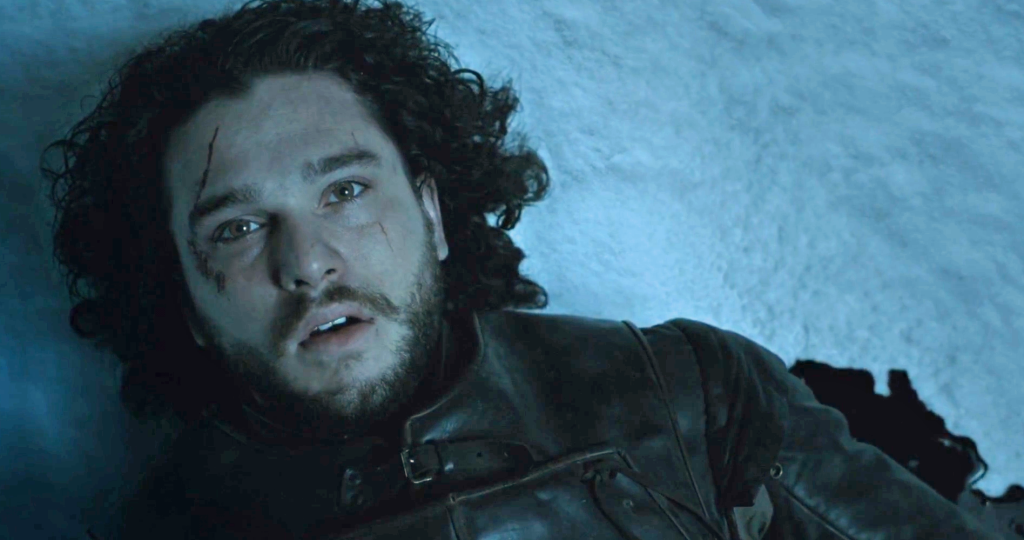
As studios fell back on more sequels and franchises, TV got more cinematic in scope.
In the past 20 years, as we all know, the movie business has changed on all fronts. But the most ominous change has happened stealthily and under cover of night: the gradual but steady elimination of risk. Many films today are perfect products manufactured for immediate consumption. Many of them are well made by teams of talented individuals. All the same, they lack something essential to cinema: the unifying vision of an individual artist. Because, of course, the individual artist is the riskiest factor of all.
The change wasn’t as “stealthily” as Scorsese makes it seem. TV always had a place for longform, cinematic storytelling. The binge-watching nature of TV had always been there, as well (I’m looking at you, early-Aughts TV and your “Twilight Zone” marathons on Sci-Fi and James Bond marathons on Spike). Once streaming services came along and tapped into both elements, the so-called “golden age of TV” took shape. The risks Scorsese is looking for are now on the small screen, as TV studios are taking on more personal character-driven stories. Things have flipped.
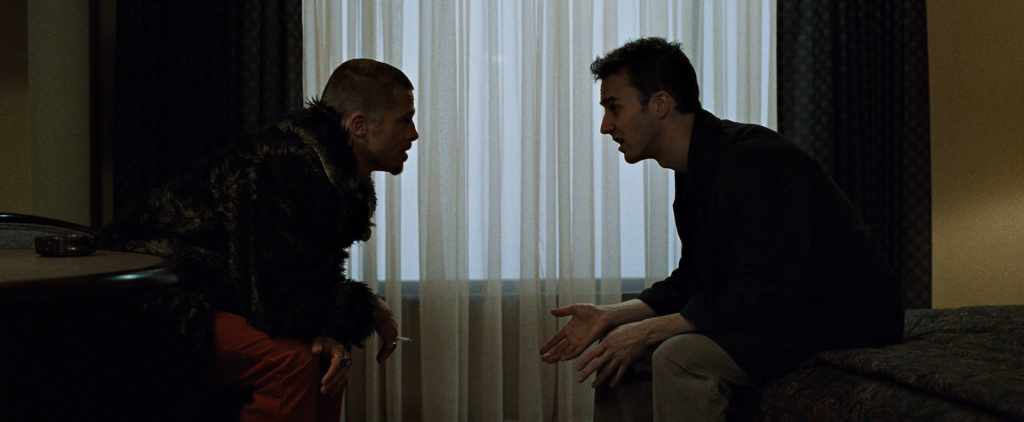
This might not have been on the minds of all involved, but the concept of serialization — as TV always had — was the main storytelling risk that Marvel movies took. The universe was shared, and the actors popped up in each other’s stories, as characters do across various TV episodes. Each “Phase” of the MCU was just another season in Marvel’s massive cinematic TV show. Besides the early serials of the ’40s and ’50s, where was the theatrical precedent in this?
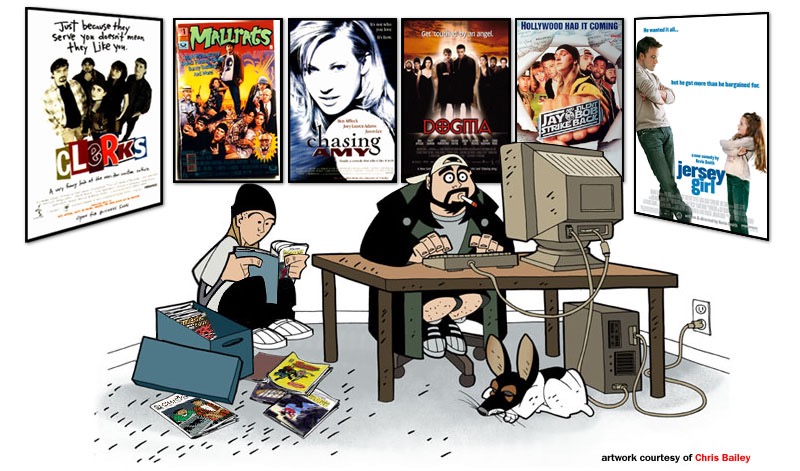
Scorsese writes this risk off in his comments, and I get it — at the end of the day, these movies and these risks are not going to redefine art for art’s sake. The movie serials of yesteryear certainly didn’t. But they did give young, budding filmmakers like George Lucas and Steven Spielberg a sense of adventure they probably hadn’t experienced before. If it weren’t for those serials and B-movies, there would be no Marvel, DC, “Star Wars,” or Indiana Jones.
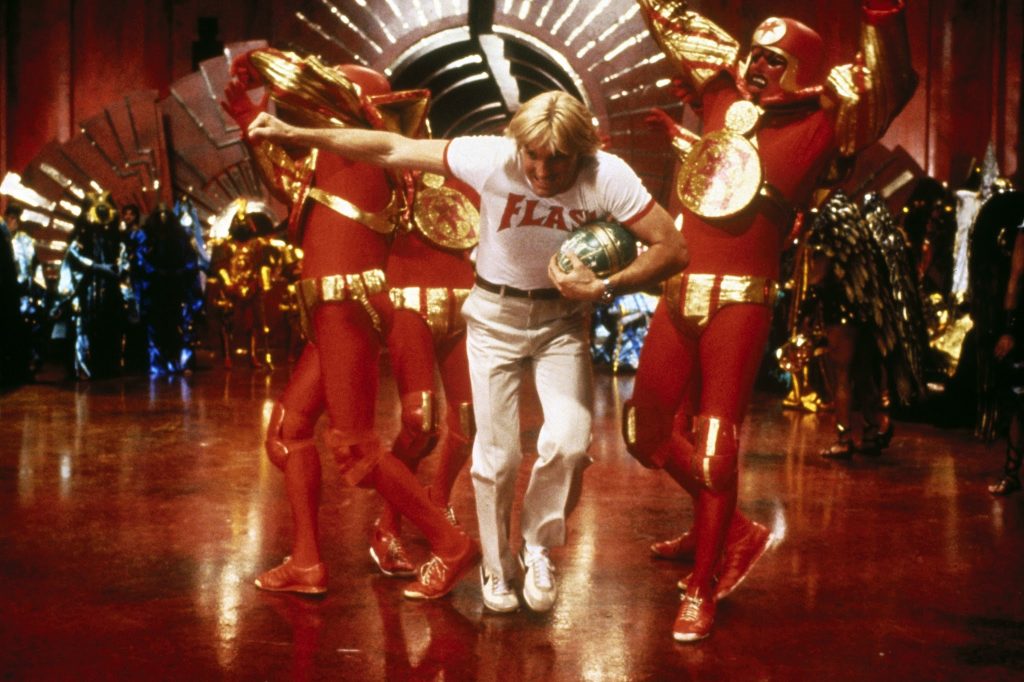
Scorsese does believe that the blockbusters of the ’70s — the ones made by his fellow New Hollywood rebels, Lucas and Spielberg — are cinema, after all. But what does it matter when these films were made and from what source of inspiration? If it comes down to the fact that they were the first of their kind, then should we give up now, because nothing can ever reach that same level of artistic integrity? If cinema is about risks, should it matter when or where that risk occurred?
Despite the debate over what is and isn’t art, it should be noted that, through it all, Scorsese wasn’t saying that Marvel movies are garbage. Just as he says about the big movies of his era, Scorsese agrees that certain artistic qualities in Marvel movies make them cinema. Scorsese also does not question the quality or artistry of the filmmakers behind those movies and their work. He’s just upset that these corporately manufactured movies are clogging up the screens.
The theatrical landscape as we know it is changing. On the one hand, it’s great that a filmmaker can produce their passion project and — via Netflix, Amazon, Hulu, or now Apple — reach a near-worldwide audience. On the other hand, I don’t know about you. Still, I did feel a bit guilty about watching a beautiful movie like “Roma” on my TV when it first became available to stream, instead of in the theater (and to think I almost watched it for the first time on my phone… in the subway… during my commute).

Scorsese, an acclaimed director with numerous awards, had difficulty finding a studio willing to give him the kind of freedom Netflix afforded him to produce his own opus, “The Irishman.” For this, he’s grateful, and, just as Alfonso Cuaron before him, Scorsese admits that the access and freedom granted to him and other filmmakers are not something to be taken for granted. But this freedom does come at a cost, as he explains:
I’m speaking as someone who just completed a picture for Netflix. It, and it alone, allowed us to make “The Irishman” the way we needed to, and for that I’ll always be thankful. We have a theatrical window, which is great. Would I like the picture to play on more big screens for longer periods of time? Of course I would. But no matter whom you make your movie with, the fact is that the screens in most multiplexes are crowded with franchise pictures…If people are given only one kind of thing and endlessly sold only one kind of thing, of course they’re going to want more of that one kind of thing.
It’s a shame that more people have access to wide releases than they do films like “Parasite” or “The Lighthouse.” Yet that doesn’t mean there’s anything wrong with tentpoles and franchises. It just means that there should be equal opportunity for both, and not just on the small screen via Netflix or Amazon.
But, you might argue, can’t [the moviegoers] just go home and watch anything else they want on Netflix or iTunes or Hulu? Sure — anywhere but on the big screen, where the filmmaker intended her or his picture to be seen.
AMC Theaters is one chain that’s trying to do more with marketing and popularizing indie films — or “artisan films,” as they call them — by giving smaller fare a better chance to be seen by a wider audience. Smaller chains like Alamo Drafthouse and Landmark Theaters are doing the same through a more communal effort, hosting Q&As and other thematic events designed to extend the theater experience beyond just a place people go for two hours to escape. The theater is not dying, but it does need to evolve — just as the music industry did when MP3s and Napster disrupted traditional access points.
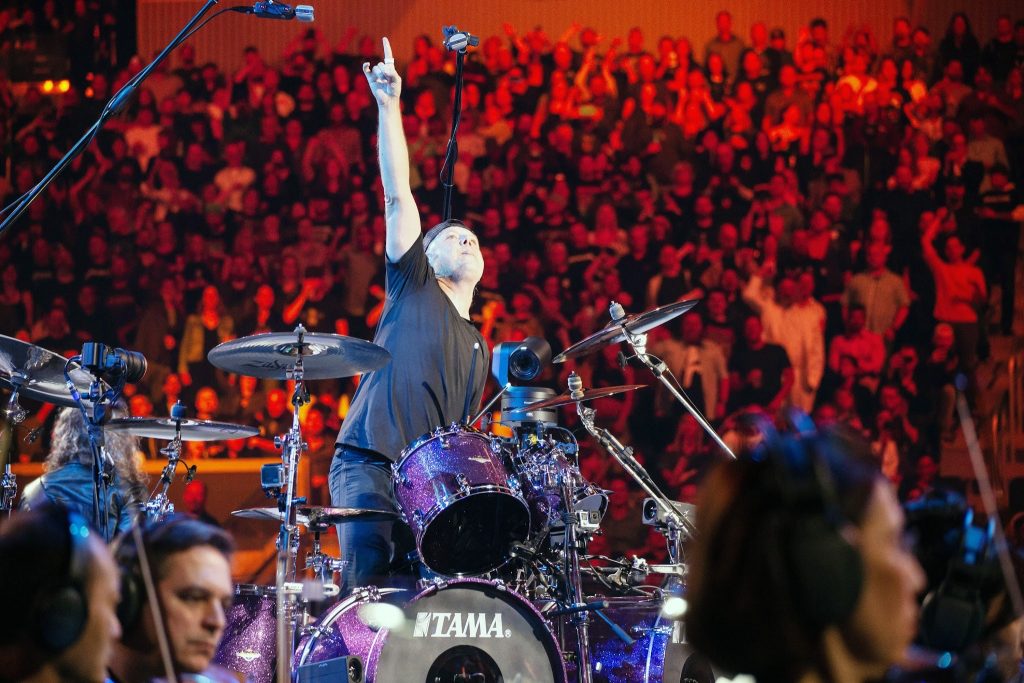
At the end of the day, what this really all comes down to is a desire to be entertained. After all the hardship and heartache we endure in the world, we want to escape. Marvel movies provide that. They are theme parks, in that sense — they are entertainment at its purest form, and there is plenty of need for that in this day and age. There should be no shame in that. However, access to such entertainment should not come at the expense of other, more serious fare. There needs to be room for both.
Martin Scorsese says Marvel movies are not for him. That’s his personal feeling, and he’s allowed to have it. His opinion might not align with mine, yours, or the pop culture sentiment at the moment, but that’s okay. Yet we’ve been too caught up in what he said to consider what he was really trying to mean. The best we can do is listen, take heed, and move forward. There is room for all sorts of movies, whether silly and dazzling, or serious, dramatic and artistic. People should have access to all of them — modern or classic — and the films should be seen the way they were intended, whether it’s in the theater, or by altering the frame refresh rate on your HDTV at home, or if one really must — in the palm of your hand.